
Visa delays worldwide are mostly linked to missing, damaged, or inaccessible supporting documents. As travel rules tighten and embassies move online, the way travelers store hotel bookings, flight records, and identity files has become a core part of successful visa planning.
Travel documents now live across emails, apps, and booking platforms, which increases the risk of loss. A single misplaced file can delay an application or trigger extra screening. This is why travelers rely on centralized cloud storage to manage everything from passport scans to a legit dummy ticket, keeping documents accessible, verifiable, and ready when officials ask for proof.
Why cloud storage matters for visa documentation
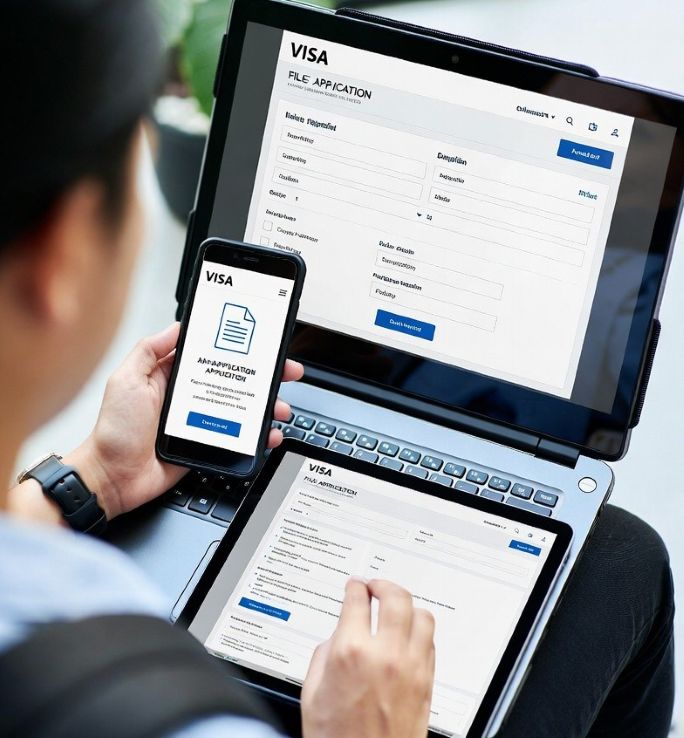
Visa applications often require fast responses. Consulates may request updated hotel confirmations, onward travel proof, or revised itineraries with little notice. Understanding how cloud storage works helps explain why it removes friction by keeping documents synced and searchable across devices. A traveler can retrieve a booking confirmation from a phone while standing in line or forward a secure link to an agent within seconds.
Unlike local storage, cloud platforms reduce dependence on a single device. Lost phones and broken laptops no longer mean lost paperwork. Files remain available, versioned, and backed up, which adds confidence during high pressure visa processes.
Security fundamentals every traveler should demand
Security starts with encryption. Strong cloud providers encrypt files during upload, storage, and access. This prevents third parties from reading sensitive travel data, even if servers are compromised. Look for platforms that use industry standards like AES 256-bit encryption and TLS for data transfer.
Access control is just as important. Password protection alone is weak. Multi-factor authentication adds a second verification step, often through a mobile app or biometric check. Some services also allow time-limited access links, which are useful when sharing documents with agencies or embassy portals.
Organizing travel files for clarity and speed
Clear structure saves time. Create folders by country, trip, or visa type. Inside each folder, separate identity documents, bookings, and supporting letters. Consistent file names reduce confusion, especially when multiple versions exist.
Many cloud tools support document scanning with automatic edge detection and text recognition. This turns paper confirmations into searchable PDFs. When officials ask for proof of accommodation or onward travel, the right file can be found in seconds.
Syncing across devices without losing control
Modern travelers switch between phones, tablets, and laptops constantly. Cloud syncing ensures every update appears everywhere. Still, syncing should be selective. Sensitive folders can be restricted to specific devices to reduce exposure if a phone is lost.
Offline access is another key feature. Some platforms allow files to be saved locally in encrypted form. This is useful at airports or consulates with weak connectivity. Once back online, changes sync automatically.
Meeting privacy and travel compliance standards
Visa documents often contain personal data protected by privacy laws. Reputable cloud providers comply with regulations such as GDPR and regional data protection rules. They publish clear policies on data handling, storage location, and user rights.
Travelers should review where servers are located and how long files are retained. Automatic deletion schedules reduce long-term risk. This matters when storing temporary documents like hotel reservations or a legit dummy ticket used only for visa verification.
Choosing the right cloud solution
The best option depends on travel frequency and document volume. Casual travelers may rely on general cloud drives with strong security settings. Frequent travelers and visa applicants benefit from services that integrate document verification, booking storage, and export-ready formats.
Ease of use matters. A clean interface reduces mistakes. Sharing should be intuitive, with clear controls and audit logs. Support availability is another factor when deadlines are tight.
Confidence through preparation
Secure cloud storage removes stress from visa preparation. Documents stay organized, protected, and ready for inspection. Whether managing passport copies, hotel confirmations, or a legit dummy ticket, a structured cloud approach ensures nothing critical is left behind when it matters most.